AOD-9604
AOD-9604 after the human weight tests
A fragment of growth hormone was designed around fat metabolism. The mouse experiments offered reasons for optimism; the human obesity programme fell short.
AOD-9604’s design
AOD-9604 copies an end portion of human growth hormone, with an added amino acid and a bond that folds part of the chain into a loop. The aim was selective: reproduce fat-related activity while avoiding the full hormone’s growth effects, its rise in IGF-1 and its unwanted effects on glucose handling. IGF-1 is one of the signals involved in growth.
I suspect the parent hormone lends this fragment more of a muscle-building reputation than its research warrants. AOD-9604 was developed around fat metabolism, and it does not bind the growth hormone receptor. That design also explains why avoiding growth-hormone-type effects was an intended feature. The human tolerability paper is useful for following how that aim was tested.
Fat oxidation in obese mice
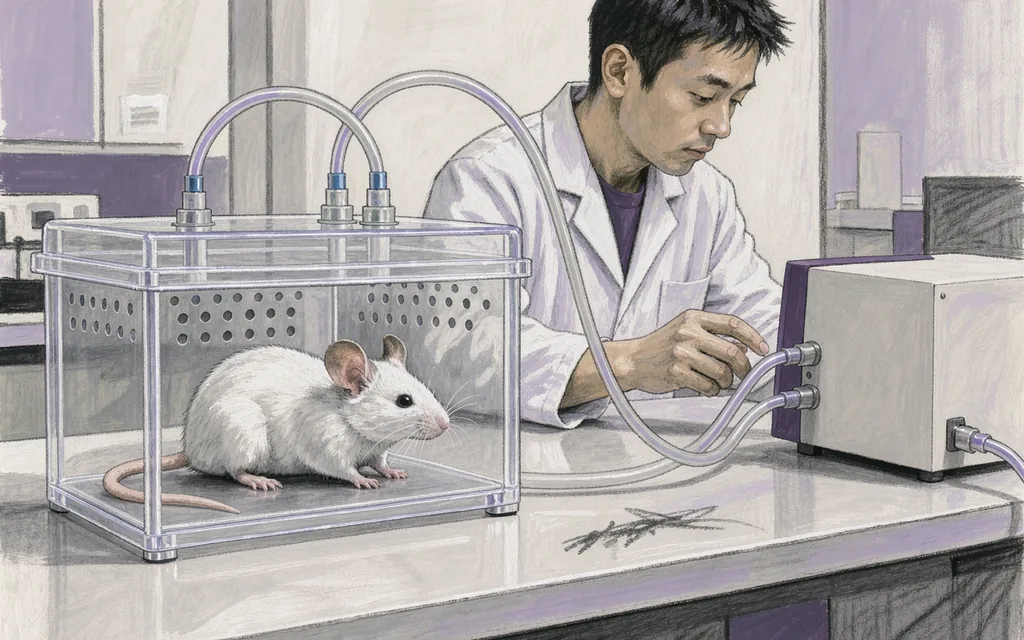
The mouse fat-oxidation experiments found increased use of fat as fuel and weight loss after treatment with growth hormone or the modified fragment. In another obese-mouse experiment, sustained weight and fat-breakdown effects depended on beta-3 adrenergic receptors, structures that receive hormone signals in fat tissue.
Mice bred without those receptors lost the sustained response. Brief increases in fat oxidation and energy expenditure persisted. That split is the most interesting part of the AOD-9604 mechanism to me: a short-lived change in fuel use and a lasting weight response could come apart. Both findings came from mice.
The human obesity programme
The human programme covered about 900 adults with obesity across roughly six studies, lasting from 7 days to 24 weeks. Reported safety and tolerability resembled placebo, the comparison treatment without active drug. The pivotal weight-loss test failed to demonstrate a statistically significant benefit over placebo, and obesity development was discontinued.
I give that failure the deciding vote on the human weight-loss claim. A mechanism can remain scientifically interesting after a drug-development programme disappoints. Repeating the mouse findings cannot make the human result more favourable, and neither the trials nor the animal mechanism establish fat loss from a chosen body area.
Cartilage and animal safety
The later joint experiment was smaller and preclinical. In 32 rabbits with experimentally induced knee osteoarthritis, AOD-9604 alone or with hyaluronic acid produced lower cartilage-damage scores than saline over 4 to 7 weeks. Cartilage is the smooth tissue covering bone ends; hyaluronic acid helps joint fluid cushion movement. The result concerns rabbit joints, with human osteoarthritis benefit still unproved.
Safety and metabolism tests in rats and primates raised no genotoxic or toxicological concerns. In a pig pharmacokinetic model, the intravenous half-life was about 3 minutes, with the compound breaking down through sequential removal of amino acids. Those findings leave human long-term safety, reproductive safety and subcutaneous pharmacokinetics unresolved.
Anecdotes and remaining risks
Community accounts describe little fat loss, few day-to-day complaints, less puffiness, occasional changes in appetite or energy, and injection-site irritation. These are anecdotal reports, not clinical evidence. Diet, exercise, expectations and uncertain product contents make attribution especially difficult. Claims of local fat loss also circulate without supporting human trials.
I distrust an attempt to rescue a failed weight claim with stories about a vague lift in energy. The trials provide the firmer basis for judging weight benefit, while the finite follow-up leaves rare and later harms uncertain. AOD-9604 lacks FDA approval, growth-hormone fragments are prohibited in sport, and research preparations bring unresolved identity and cleanliness questions.